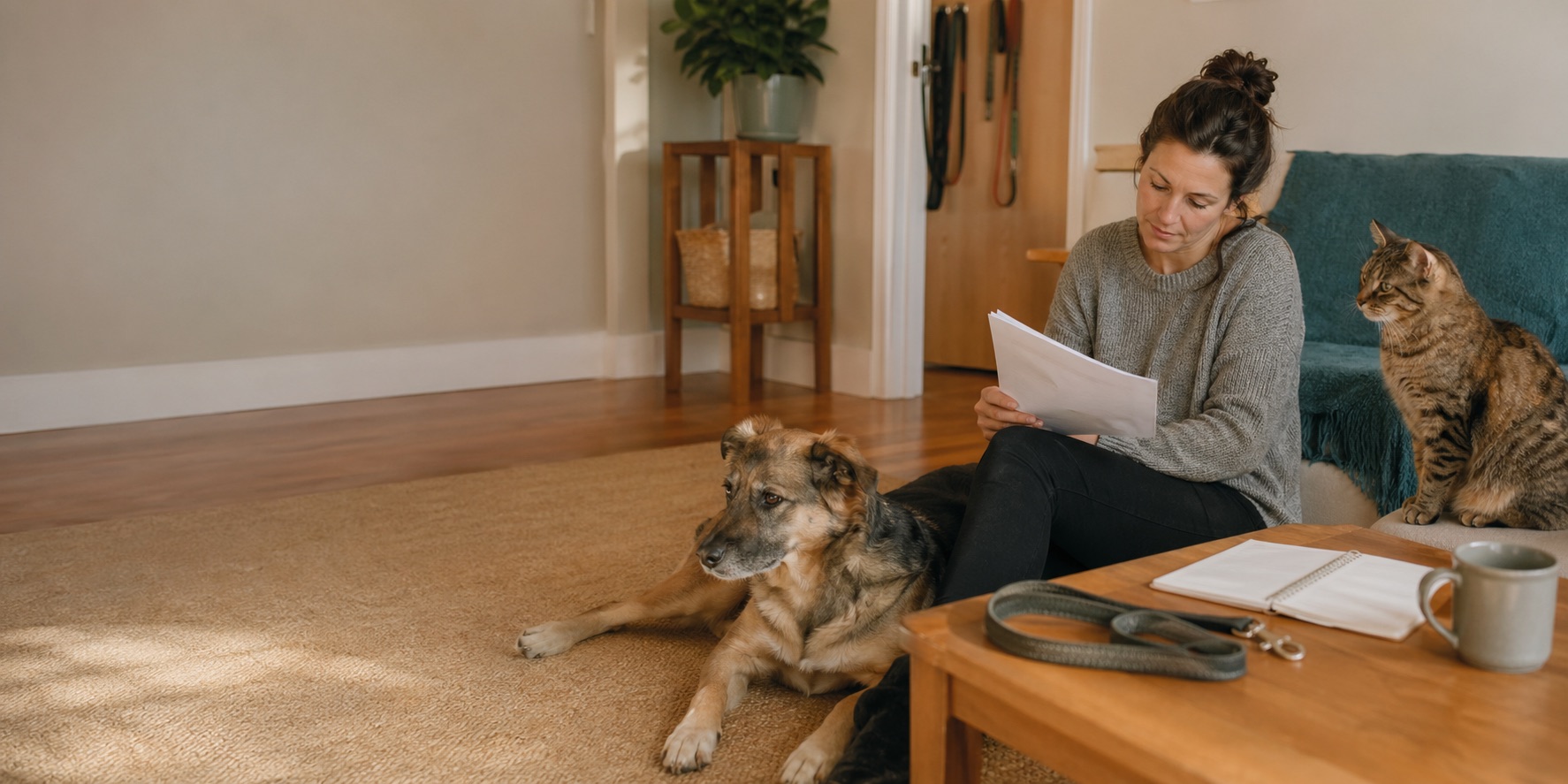
Rescue-first, evidence-aware pet care
My Best Paw Pal
Practical help for dog and cat people who want kind training, adoption guidance, and health context that knows when to slow down and check the source.
Built for the owner sitting on the floor with a new rescue animal, trying to tell the difference between normal adjustment, a behavior problem, a health concern, and marketing dressed up as advice.
Help by situation
Start with what is happening at home.
The site is organized around the moments pet owners actually search for help: the first nights, the hard walks, the confusing symptoms, and the advice that sounds confident before it sounds careful.
First week home
Make the house feel predictable before you ask for progress.
Quiet routines, fewer visitors, simple potty and feeding records, and safe resting spots do more than most new purchases.
Behavior help
Look for the reason underneath the behavior label.
Leash reactivity, hiding, guarding, and frantic barking need context: pain, fear, frustration, environment, and learning history.
Health decisions
Use your vet as the anchor when internet advice gets loud.
Food changes, supplements, vaccines, medications, and urgent symptoms deserve better than comment-section certainty.
Useful reading
Warm enough to read on a hard day. Careful enough to trust.
These guides are written for the moment you are in: a new adoption, a hard walk, a worried cat, or a food label that sounds more certain than it really is.
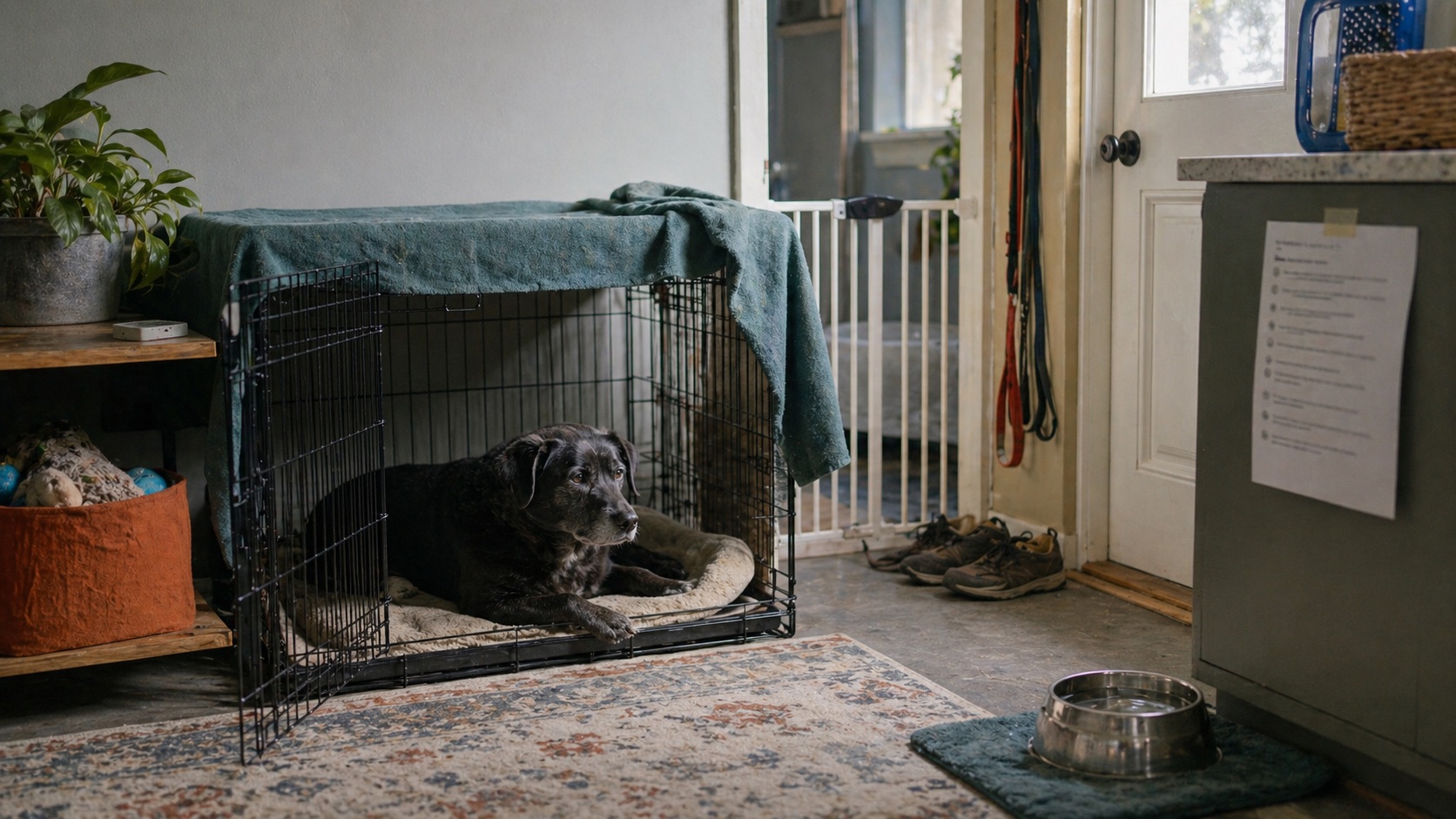
Adoption reality
Shelter dogs with trauma: a trainer's guide to the first 30 days
A calm, practical plan for the first month home: decompression, routines, safety, and when to bring in professional help.

Training & behavior
Reactivity on leash: why it's not aggression, and what actually helps
Barking and lunging on leash can come from fear, frustration, pain, or distance pressure. Here is how to start helping safely.

Training & behavior
Window barking: how to lower the volume without yelling back
Why dogs bark at windows, how to block rehearsal, and how to teach a calmer pattern before the next passerby appears.
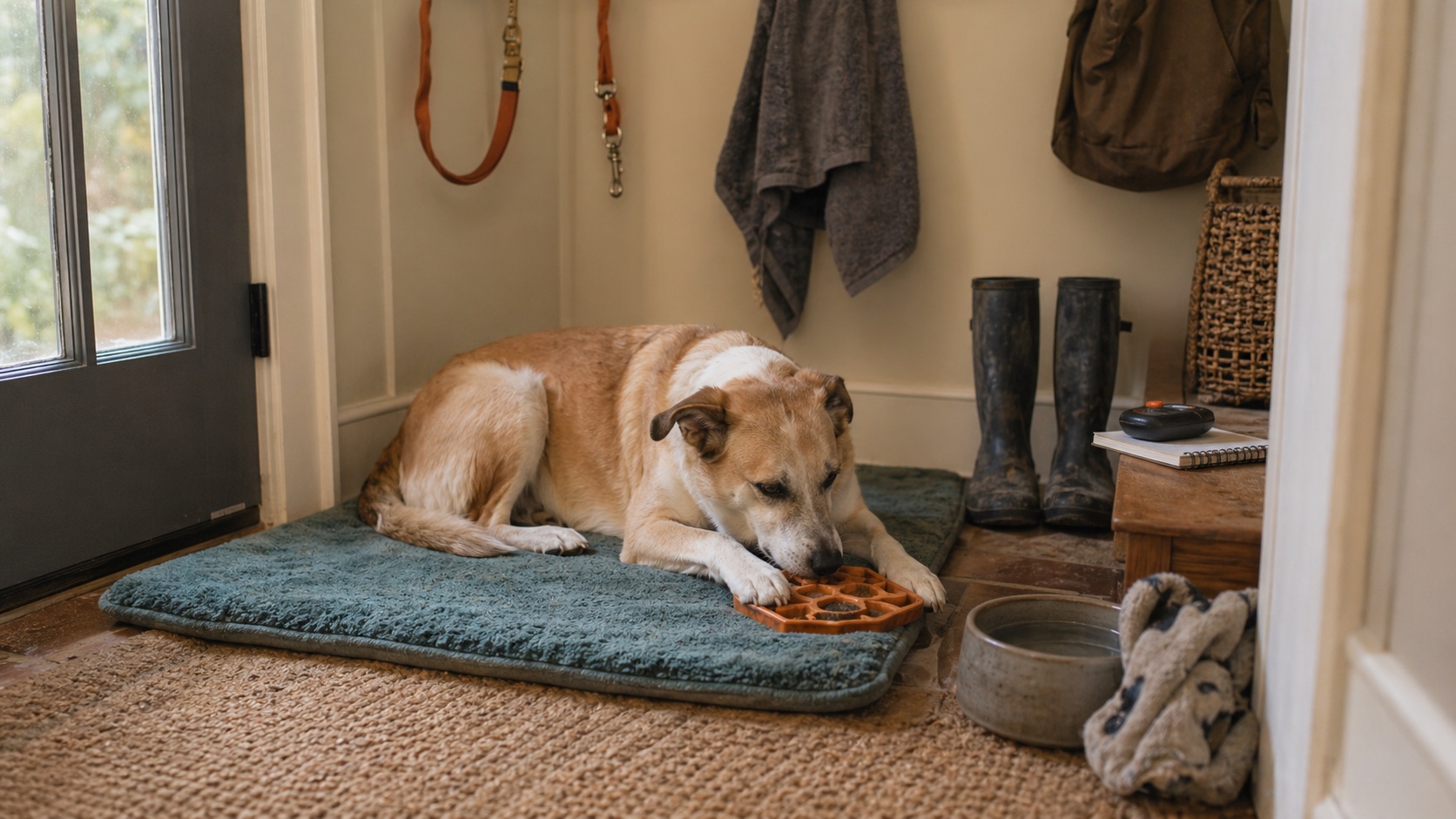
Training & behavior
Overaroused dog after guests, walks, or play? Build a real settle routine
A practical guide to helping a dog come down from excitement with sleep, enrichment, mat work, and better recovery habits.
How we keep it honest
Every recommendation has to survive ordinary pet life.
- Is this advice safe for a nervous rescue animal, not just an easygoing pet?
- Does a behavior plan reduce stress before it asks for obedience?
- Are we clear about what evidence says, what experts disagree on, and what needs a veterinarian?
- Would this product still look useful after three muddy walks, a hard week, or a return-policy check?
Keep these close
Reliable places to check before a thread or ad decides for you.
These are not replacements for your veterinarian or credentialed trainer. They are practical starting points when you need a calmer source fast.
For possible toxin exposure. Keep the number handy: (888) 426-4435.
Petfinder Adoption ChecklistGood pre-adoption and transition questions before emotions take over.
AAHA Pet Owner ResourcesVeterinary-backed explainers for preventive care, vaccines, dental care, and common health decisions.
Fear Free Happy HomesHelpful ideas for reducing fear, anxiety, and stress at home, at the vet, and during handling.