Training & behavior
Practical behavior help for non-ideal real life.
Training advice should make daily life safer and calmer, not just louder with rules. Start with stress, environment, medical context, and what your pet can realistically practice today.
Training path
Start with safety and distance
For leash reactivity and window barking, lower the trigger intensity before asking for skills.
Read the guideTraining path
Teach recovery, not just obedience
For overarousal, the goal is a dog who can come back down after excitement, visitors, or hard walks.
Read the guideTraining path
Practice handling before it is urgent
For nail trims and vet prep, cooperation is easier to teach before the appointment or procedure is already stressful.
Read the guideTraining path
Make the carrier boring before it matters
For cats, carrier training is one of the most useful behavior skills because it protects vet care, travel, and emergency readiness.
Read the guideTraining guides
Specific help for common behavior problems.
Each guide starts with management and welfare, then moves into trainable steps. That keeps the advice useful for rescue homes, worried owners, and pets who cannot simply be corrected into calm.

Training & behavior
Reactivity on leash: why it's not aggression, and what actually helps
Barking and lunging on leash can come from fear, frustration, pain, or distance pressure. Here is how to start helping safely.

Training & behavior
Window barking: how to lower the volume without yelling back
Why dogs bark at windows, how to block rehearsal, and how to teach a calmer pattern before the next passerby appears.
Training & behavior
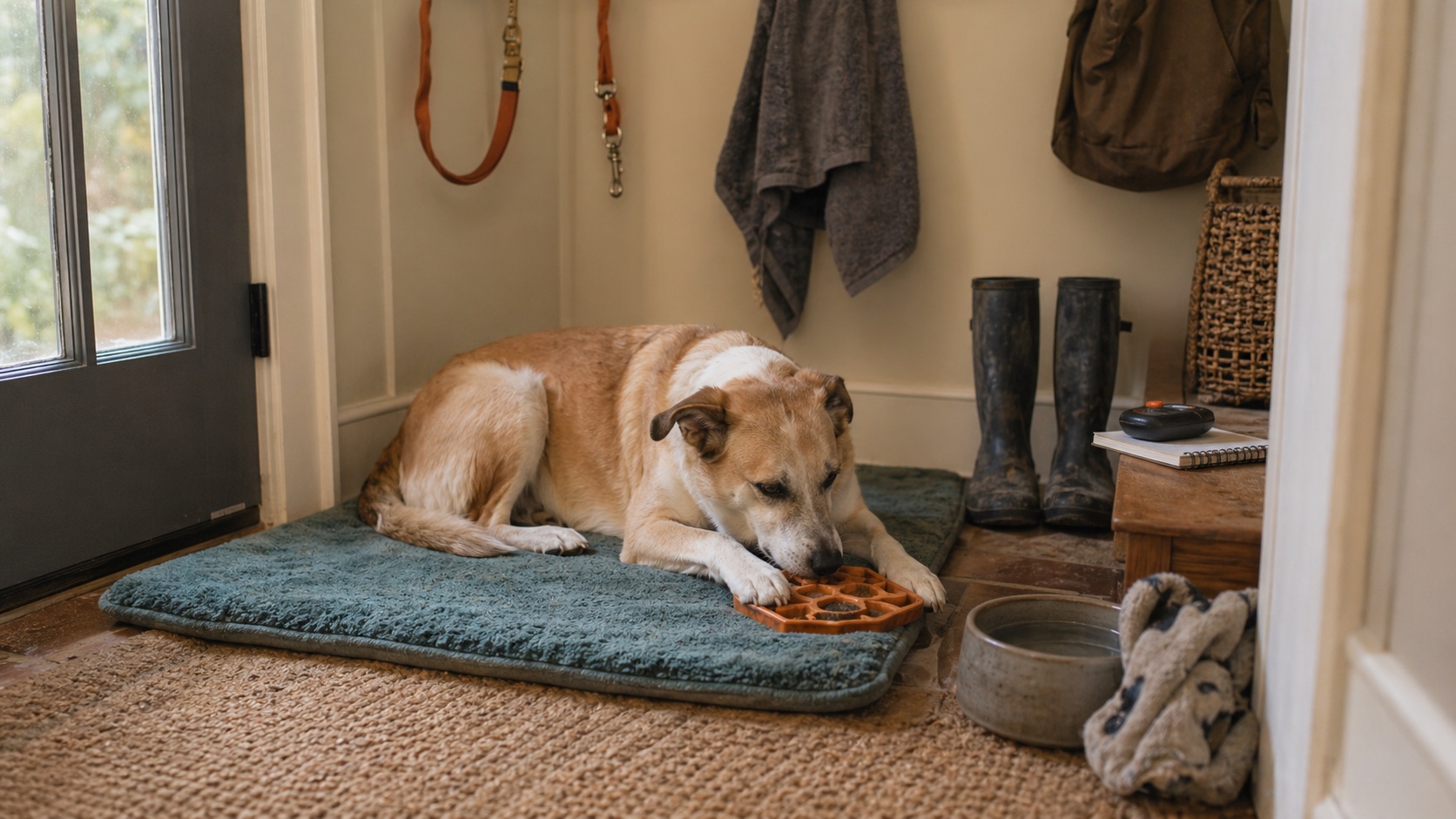
Overaroused dog after guests, walks, or play? Build a real settle routine
A practical guide to helping a dog come down from excitement with sleep, enrichment, mat work, and better recovery habits.
Training & behavior
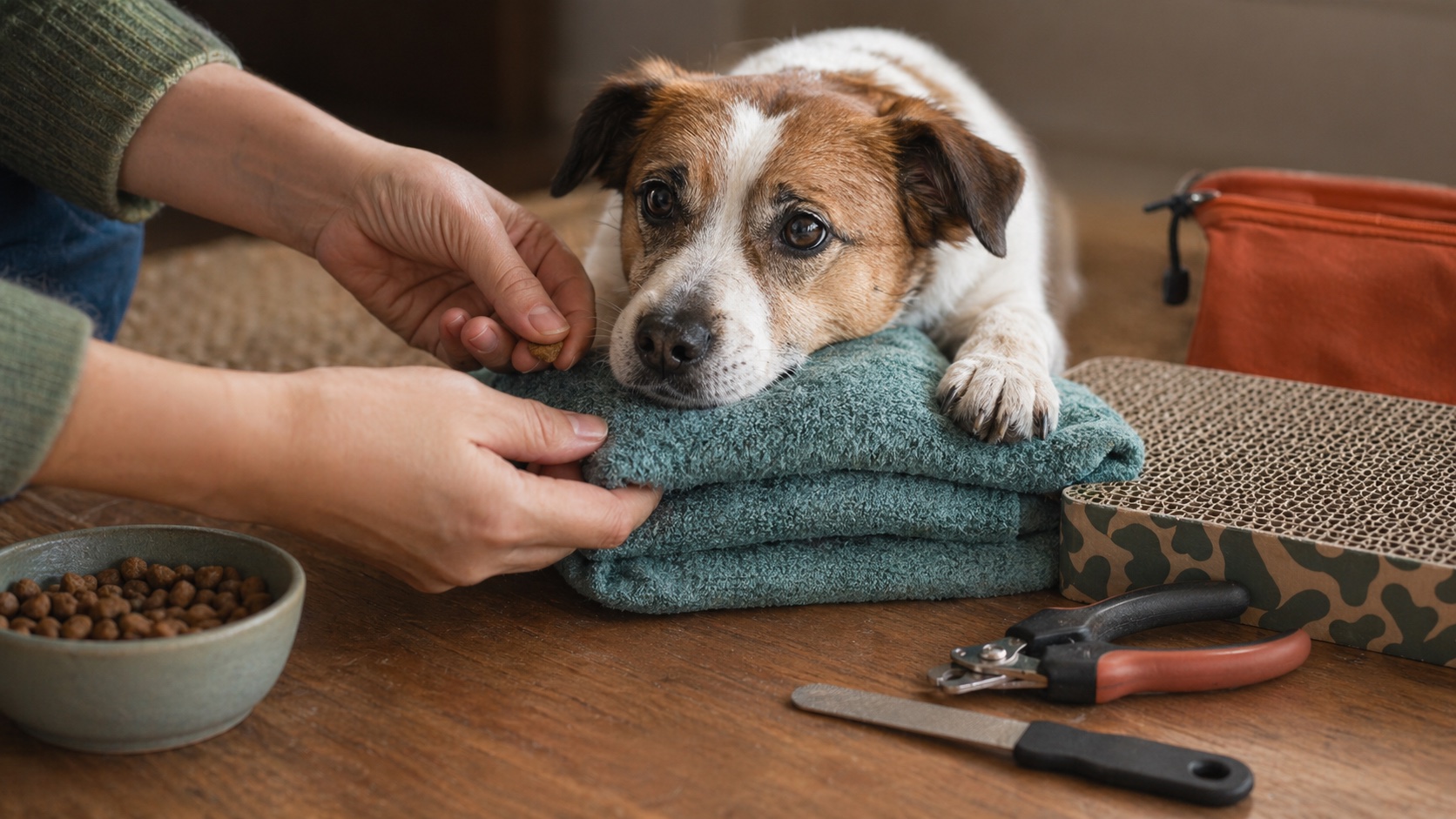
Nail trims and vet handling: teach cooperation before you need it
How to make paw handling, grooming, and vet prep less scary with consent-based practice, tiny steps, and better timing.
Training & behavior
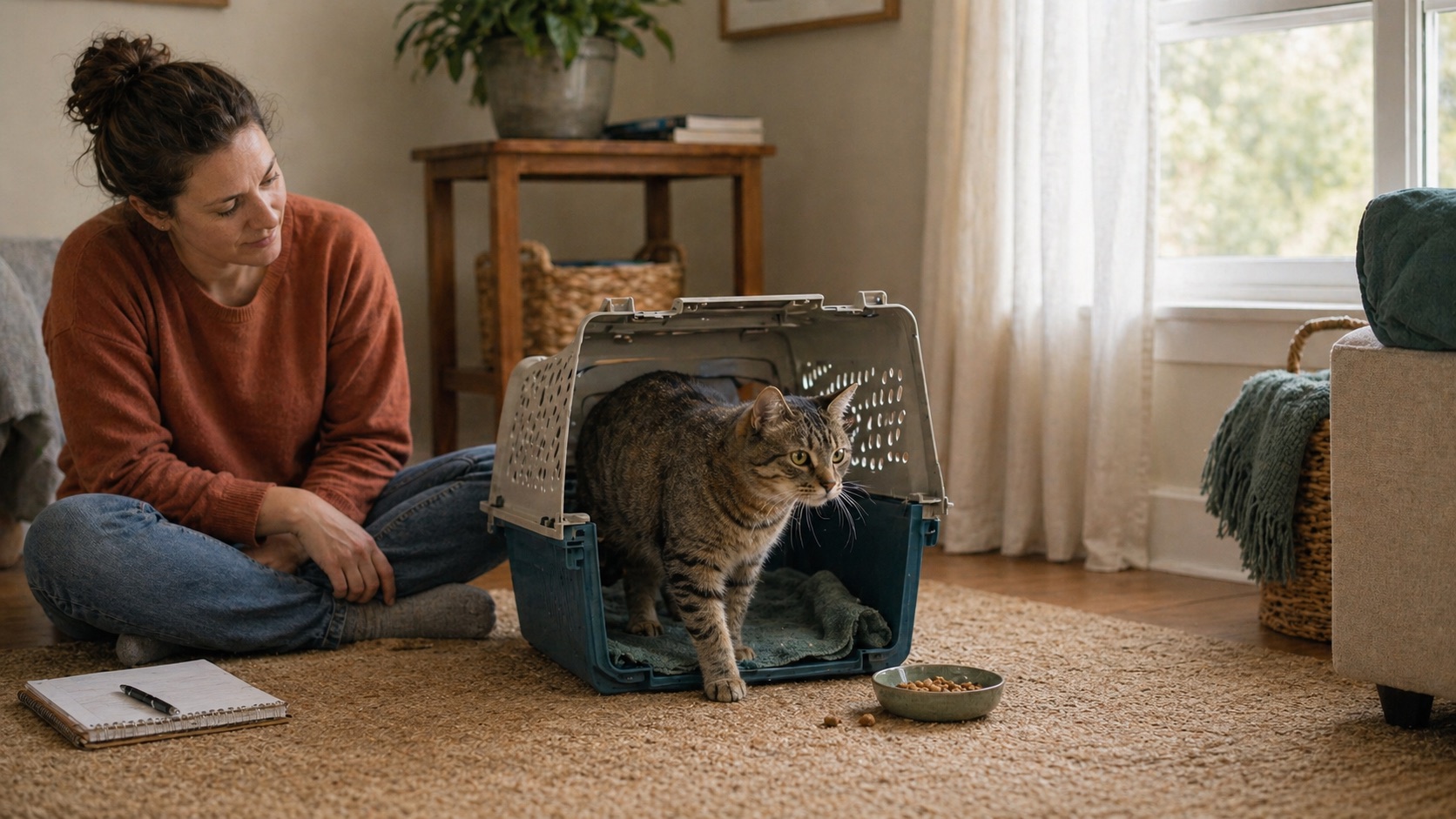
Cat carrier training: make the box part of normal life before the vet visit
A low-pressure plan for helping cats enter carriers voluntarily, ride with less fear, and recover more easily after appointments.